5 Dental Lab Marketing Trends to Watch in 2026

Five trends are shaping how dental labs win accounts in 2026: AI-made creative and more testing, short video, selling your digital workflow as the reason to switch, industry consolidation raising the stakes, and first-party follow-up becoming the real edge.
1. AI creative means more testing
Cheaper creative means more ads tested, and more tests means a winner found sooner. We break this down in the honest version of AI ads.
2. Short video and Reels
Short video keeps climbing on Facebook and Instagram, and lab work films well. A ten-second clip of a crown or a milling machine can outperform a static image for reach.
3. Selling the digital workflow
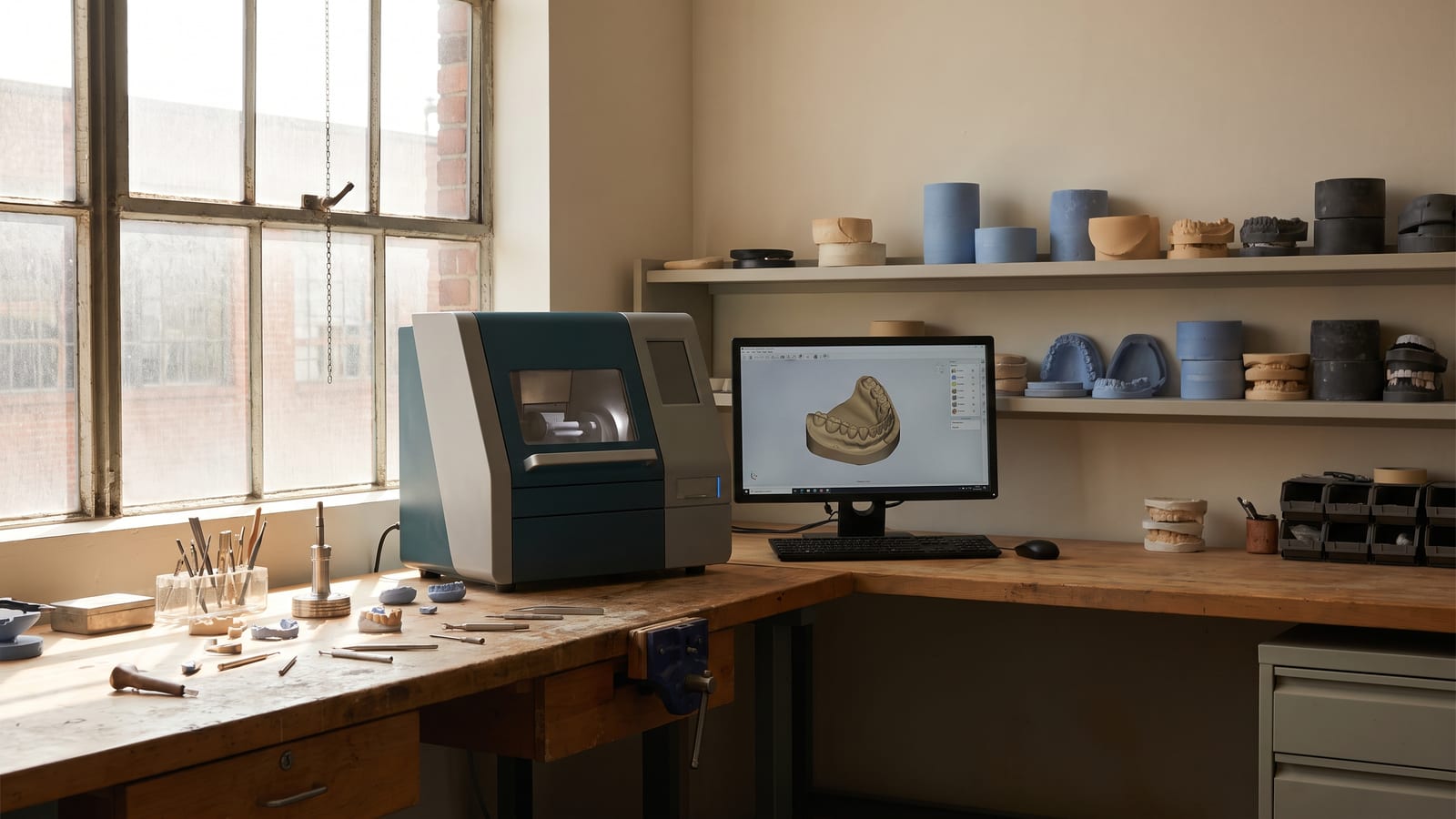
Intraoral scanning, design, milling, and printing are the working baseline now, a shift Inside Dental Technology and LMT have tracked for years. Labs that market that capability plainly give dentists a concrete reason to switch.
4. Consolidation raises the stakes
The NADL has documented steady consolidation and DSO growth. That means fewer, larger buyers and more competition for each account, so a steady pipeline matters more. More on that in what consolidation means.
5. Follow-up is the edge
After platform privacy changes, per Meta's own guidance, less of what happens after the click is visible to the ad platform. That makes your fast text-back or call the deciding factor. The lab that answers in minutes wins the account.
Frequently asked questions
What is the biggest dental lab marketing trend in 2026?
Volume of testing. Cheaper AI creative lets labs run many ads and find winners faster, while fast follow-up turns those leads into accounts.
Is short video worth it for a dental lab?
Often yes. Lab work is visual, and short clips get cheap reach on Facebook and Instagram. Test a few against your static ads and keep what books calls.